Acne Removal Guide: From Causes to Scientific Treatment
Categories:
NEWS
knowledge
Author:
Published on:
2025-07-29
Acne is a skin problem that troubles many people. It not only affects the appearance, but may also cause psychological pressure. To effectively remove acne, we must first understand the causes of its formation, and then take appropriate treatment methods for different situations. This article will systematically analyze the formation mechanism of acne and scientific acne removal solutions to help you restore healthy skin.
1. How is acne formed?
1. Excessive sebum secretion
Typically, adolescents in puberty have overactive sebaceous glands and clogged pores due to hormone fluctuations, resulting in frequent acne. Of course, people of other ages may also affect their skin health due to high-fat and high-sugar eating habits.
2. Abnormal keratin metabolism
When we clean our skin daily, we may not clean it properly, causing keratin accumulation, clogging pores, and forming closed comedones.
3. Bacterial reproduction
When the skin pores are blocked, an anaerobic environment will be formed inside, and bacteria will multiply in large numbers, causing skin inflammation, leading to red and swollen acne and pustular acne.
4. Inflammatory response
When deep acne such as cysts or nodules appear on the face, it may be that your skin is infected by bacteria and inflamed. Such acne can easily leave acne marks.
2. Types and Features of acne
| Type | Characteristics | Stage |
|---|---|---|
| Comedones (Non-Inflammatory) | Small, flesh-colored bumps; pores are clogged and closed. | Early stage, no inflammation. |
| Inflammatory Acne | Red bumps with visible white/yellow pus. | Inflammation progresses. |
| Severe Acne | Large, hard, painful lumps deep under the skin. | Deep inflammation; risk of scarring. |
3. Scientific acne removal methods
1. Daily care:
Gentle cleansing: Avoid excessive cleaning and acid-base imbalance of the skin.
Oil control and moisturizing: Use skin care products containing zinc and niacinamide to adjust the water and oil balance
Regular exfoliation: Salicylic acid or fruit acid helps to unclog pores
2. Local treatment
Different treatment plans should be adopted for different types of acne, such as:
- Acne: Use retinoic acid to regulate keratin metabolism
- Red and swollen acne: Apply ointment with antibacterial and anti-inflammatory ingredients
- Pustules: Remember not to squeeze with your hands, and you need to use medical dressings to absorb pus
- Cystic acne: Professional doctors may need local injections or oral medications.
3. Lifestyle adjustment
Diet: Reduce high-sugar and high-fat foods (such as sweets, milk tea), dairy products, etc.
Routine: Ensure sleep and reduce stress
Sunscreen: Ultraviolet rays can damage the skin barrier, aggravate inflammation and pigmentation, so you need to take good protection
4. Medical treatment
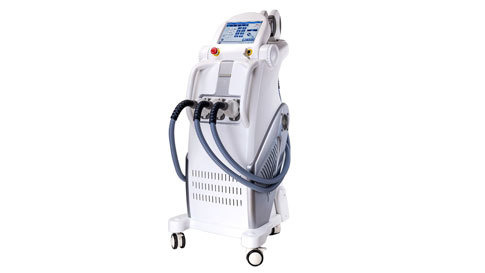
Photoelectric treatment: The special bands of IPL or DPL can accurately remove acne. In addition, the red and blue light of LED has bactericidal and anti-inflammatory effects. These professional equipment can improve skin conditions.
4. Key steps for acne removal
1. Determine the type of acne and treat it in a targeted manner.
2. Gentle cleansing + oil control + anti-inflammatory to avoid irritation.
3. Adjust diet and routine to reduce inducements.
4. Seek medical attention in time for severe acne and avoid self-abuse of drugs.
Acne removal requires patience and scientific methods. As long as you adhere to the correct care method, most acne problems can be effectively improved!